How to choose a vape: the criteria that matter
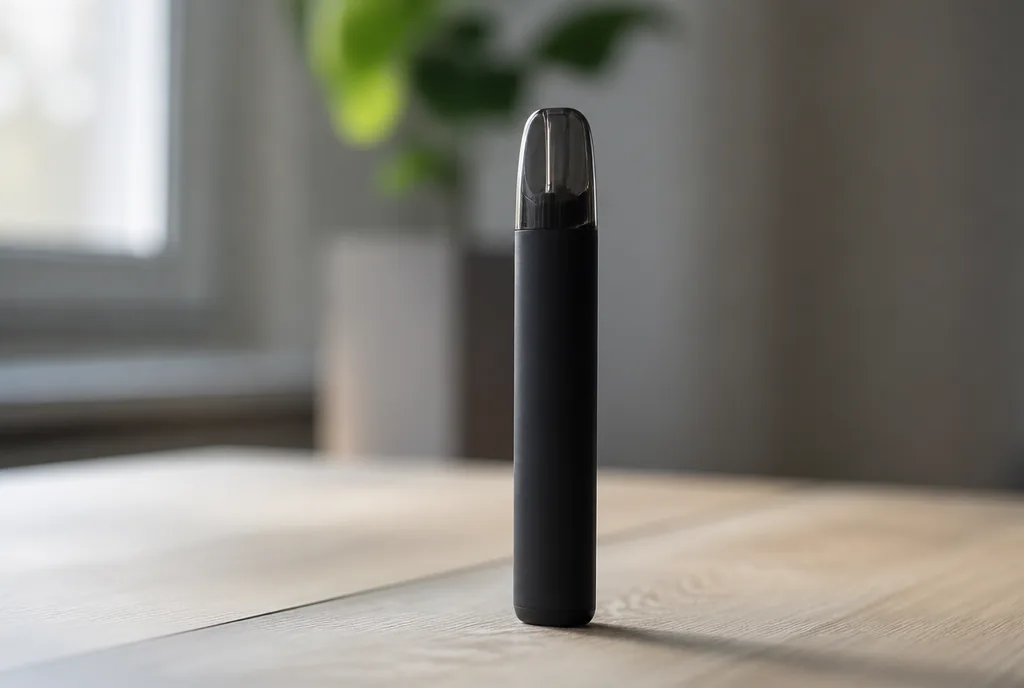
A wall of black boxes, and every listing lines up ohms, milliamp hours and millilitres without once saying which of those numbers applies to you. British buying guides then add their rankings and their buyer profiles, and the decision gets harder rather than easier. Yet how to choose a vape comes down to three concrete questions about your own day, and answering them in order cuts a full shelf down to a handful of coherent devices.
How to choose a vape: three questions, in order
Work through these three, in this sequence: where and when the device travels with you, how long it has to last between charges, and how much adjustment you actually want to take on.
The first answer fixes the format, from a pocket pod to a bench box. The second fixes battery capacity and tank size. The third settles whether you want an automatic device or an adjustable one.
Those three answers eliminate most of the catalogue on their own. Everything left after that, the brand, the colour, the style of the screen, is taste rather than a technical decision.
The format is the first filter
Format drives everything downstream: bulk in the pocket, the room available for a cell, the size of the tank and how much upkeep the thing demands. Three families share almost the whole British market, and each answers a different constraint. None of them is better in the abstract.
The all in one pod
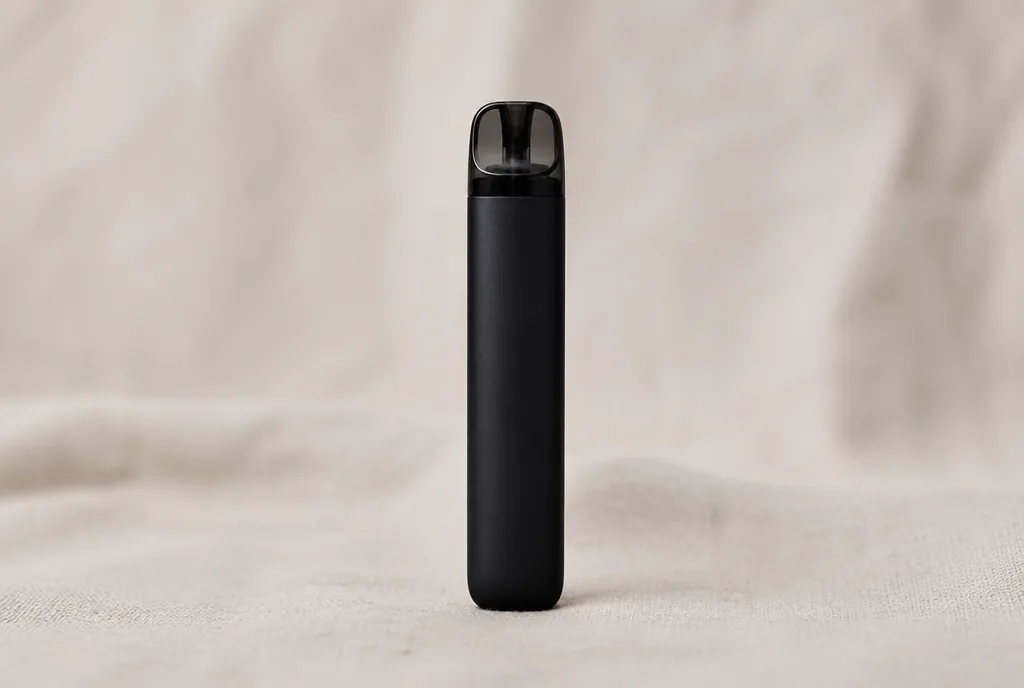
A compact body, a cartridge, and usually no button at all. You draw, the device fires by itself. It slips into a pocket and asks nothing of you in the way of learning, but the battery is modest and the pod gets refilled often.
The pen or tube kit
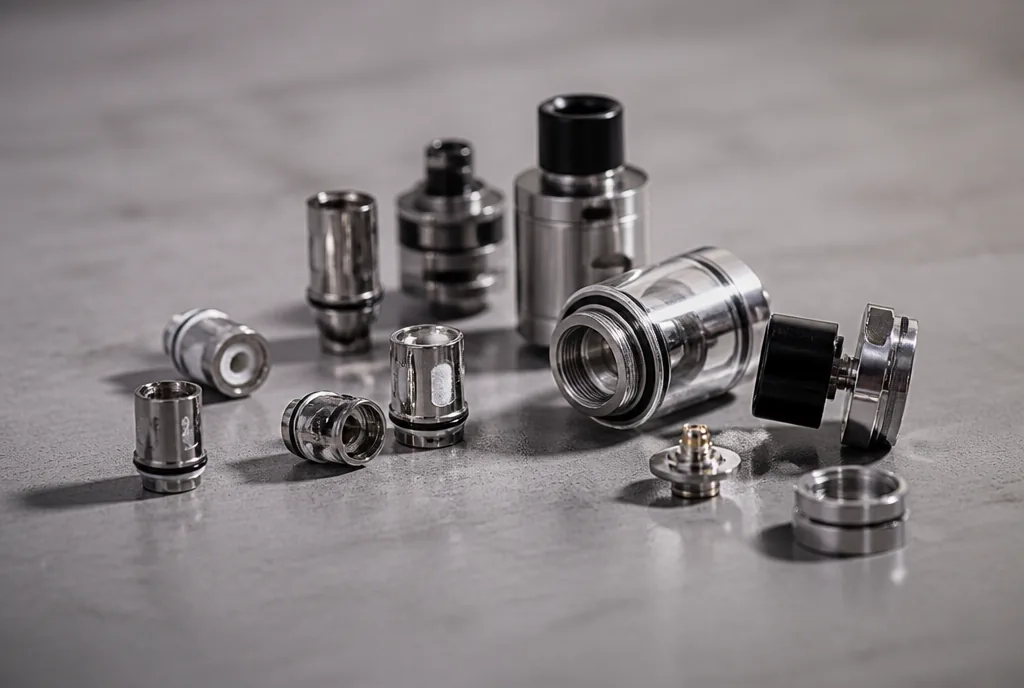
A long body, one button, a clearomiser screwed on top. This older format is a genuinely good compromise: more battery than a pod, coils stocked almost everywhere in Britain, and top filling that keeps the mess down.
The box and tank
A screened body, power adjustable to the watt, sometimes removable cells. It is the most capable format and the heaviest one. It assumes you understand how coil resistance and power relate before it gives you anything back.
Battery and capacity, the two numbers that compare
These are the only two figures that genuinely compare from one listing to the next, and they decide day to day comfort. Read them together, never separately, because a large tank sitting on a small cell buys you nothing.
Battery is quoted in milliamp hours. Below 1000 mAh, plan on a charge during the day for regular use. Above 1500 mAh, a normal day usually passes without reaching for a cable.
Tank capacity is quoted in millilitres and is capped at 2 ml on refillable hardware sold in the United Kingdom. The number of daily refills follows mechanically from that, and it is worth doing the arithmetic before you commit rather than after.
One last thing to look at is the charging port and whether fast charging is offered. A USB-C socket saves carrying a second cable and shortens the wait noticeably.
Draw style, the criterion that decides the feel
Two devices with identical specifications can feel like opposites in the hand. What separates them is the draw, which is simply how much air comes in with each puff. It is the criterion most often skipped at the first purchase, and the one that causes the most disappointment.
A tight draw, written MTL for mouth to lung, wants a slow, held inhale. It goes with higher resistance coils, above 1 ohm, and low power. It suits discreet use with little visible vapour.
An airy draw, written DL for direct lung, opens the airflow wide for a far larger volume. It needs low resistance coils, high power, and it gets through e-liquid considerably faster.
Plenty of current devices carry an adjustable airflow ring that lets you move between the two. That is a useful safety net while you are still working out where your own preference sits, and it costs nothing to have.
Consumables, the line nobody reads
The ticket on the shelf covers only part of what the habit costs. The device is bought once, coils and e-liquid come back every month. That recurring line is where the real cost of a year of use is decided.
Before buying, check that coils for the model are stocked by several British retailers and not by the manufacturer alone. A device orphaned of consumables becomes useless overnight, in perfect working order.
Look at how e-liquid is packaged too. A nicotine containing bottle is capped at 10 ml in the United Kingdom, with a child resistant closure and a tamper evident ring required by law. Larger bottles exist only as nicotine free liquid or as shortfill bases you finish yourself.
What UK rules fix for you
Some characteristics are not the manufacturer’s choice at all, and knowing them stops you assuming a better deal exists elsewhere. They explain visible differences with hardware pictured on overseas sites.
A refillable tank is capped at 2 ml, a nicotine containing bottle at 10 ml, and nicotine strength at 20 mg/ml. Single use disposables are no longer on sale in Britain, which is why the shelves now lead with refillable pods.
Sales to anyone under 18 are prohibited. A listing on an international marketplace showing a 6 ml pod is therefore not a better product, it is a product outside the rules that apply here, and the coils to match it will not be stocked locally.
How to choose a vape in a shop, in under a minute
Where you buy matters as much as what you buy, because it decides aftersales help and access to spare parts. Two checks are worth making before you pay, and together they take less than a minute.
Pick the device up. Weight, the position of the button and the depth of the mouthpiece are judged physically and never from a photograph. Then ask to see a spare coil and to be shown the movement that changes it.
If the assistant cannot produce a coil in stock, change model. That single test rules out references quietly reaching the end of their commercial life. For a closer look at the families side by side, our guide to the beginner vape kit sets them out on the same criteria.
Frequently asked questions
Should I buy a complete kit or separate parts?
A kit pairs a battery, a tank and one or two matching coils, which removes any risk of a compatibility mistake. Separate parts only start to make sense once you know which fittings work together.
What does 0.8 ohm on a coil actually mean?
It is the electrical resistance of the coil. Below 1 ohm the coil runs hot and aims at an airy draw. Above 1 ohm it heats gently and aims at a tight one.
How long does it take to get used to a new device?
Give it a few days to settle on a rhythm of inhaling and a comfortable airflow setting. Early attempts are there to tell you what suits you, not to produce a perfect result straight away.
Can any e-liquid go in any device?
No. Very thick liquid, heavy in vegetable glycerine, feeds high resistance coils poorly. Listings state a suggested ratio and there is no reason to argue with it at the start.
Is an internal battery or a removable cell better?
An internal battery keeps everything simple and covers the great majority of cases. A removable cell only pays off if you get through a lot and want to swap two cells across a day.
How to choose a vape without regretting it
How to choose a vape really means matching a format to a typical day, then checking the consumables will still be there in six months. Specification figures only mean something once they are read against real use.
A simple device that is well supplied will always be more useful than a sophisticated one whose parts have vanished. The rest is learned in use, and nothing obliges you to move up. The vocabulary behind the parts is worth ten minutes first, and wattage settings can wait until you own something adjustable.
Editorial content written for adult readers in the United Kingdom. Vaping products commonly contain nicotine, which is addictive. Nothing here is a purchase recommendation, and these products are not sold to anyone under 18.